Sewer Line Repair in Colonial Heights, Mount Prospect
Sewer line repair in Colonial Heights, Mount Prospect is aimed at 1960s split-levels and ranches, and it starts with a call. These blocks were built a little later than the 1950s homes around Hatlen Heights, and the date shows in the layout and the pipe. Options are explained before any work begins.
- Era
- 1960s
- Layout
- Split-levels and ranches on regular lots
- ZIP
- 60056
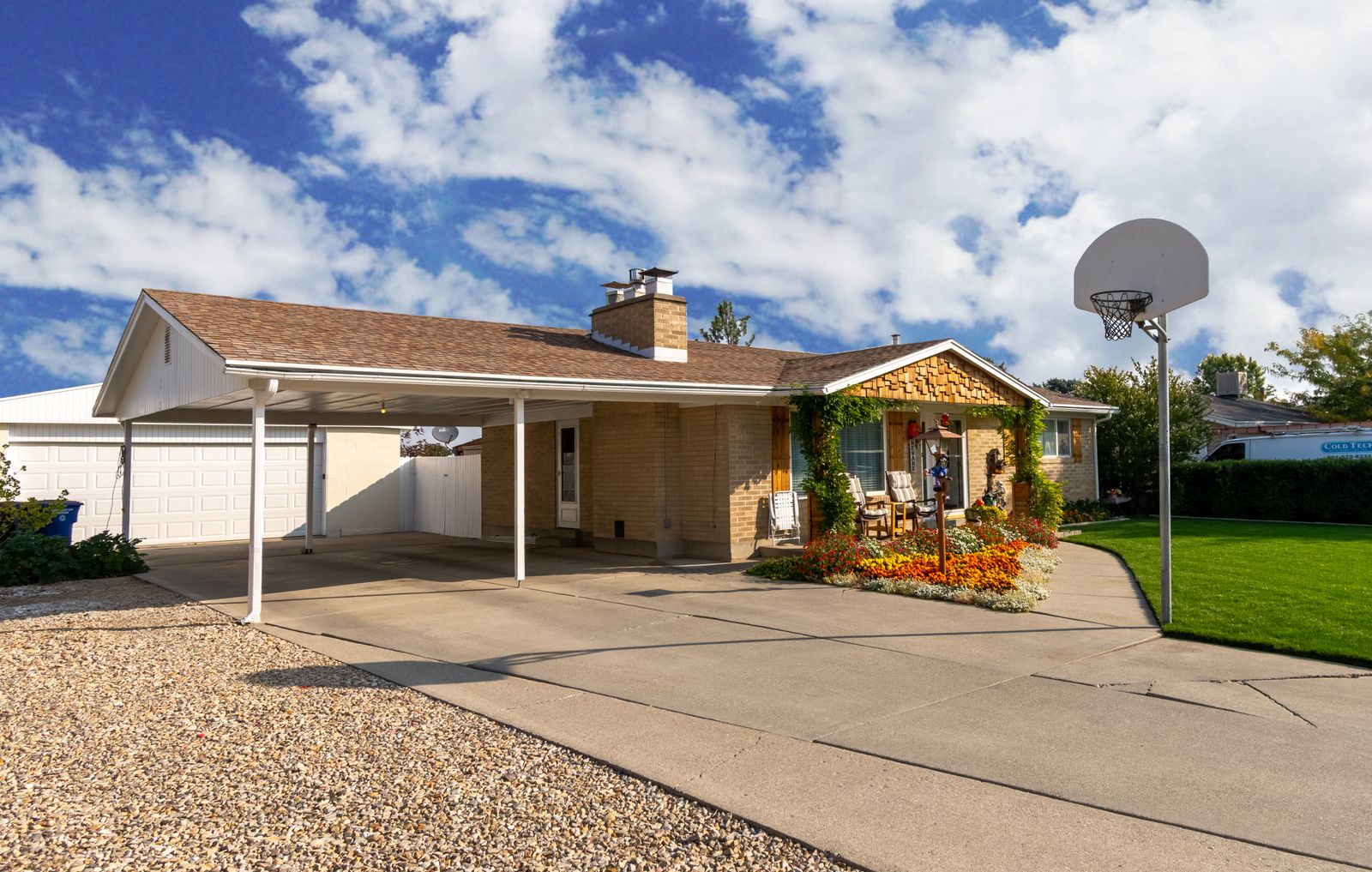
Sewer line repair in Colonial Heights, Mount Prospect: a 1960s line on a split-level lot
Repairing a sewer line in Colonial Heights usually involves a house with more than one level and a lateral that has been in the ground since the 1960s. On a split-level, the lowest rooms sit partly below grade, so they are the first to complain when the line struggles, and the pipe beyond the foundation is hidden under a regular suburban lot. Nothing shows on the surface until a drain gurgles or backs up. This page describes what the pros see in the Colonial Heights neighbourhood, meaning these residential blocks on the west side of the village, and what they check first. “Sewer camera inspection colonial heights” and “sewer line replacement colonial heights” are two ends of the same job, and the camera is what tells you which one applies.
Colonial Heights homes: 1960s split-levels and ranches
Colonial Heights is part of the postwar housing on the village's west side, with most houses dating to the 1960s. They are split-levels and ranches on regular lots, and many have full basements. You will find it in ZIP 60056.
The split-level is the signature shape. Its half-levels step up and down, with a lower level that often holds a family room or a bathroom partly below ground, so the point where plumbing leaves the house is not always where a visitor would guess. Ranches in the same blocks are simpler, with everything on one floor and the main drain leaving at a single point.
Built a little after the first postwar wave, these houses carry laterals that tend to be somewhat newer than the 1950s blocks, though for homes from before 1970 clay tile or cast iron are still common, with plastic where repairs have been made. Again, it is the camera that tells you what your own pipe is made of.
The regular lots leave room for driveways, walks and a tree or two, and the lateral usually passes under some combination of those on its way to the street.
Garages and driveways in a neighbourhood of this age often sit close to the house, so the lateral may pass beneath concrete or pavement at some point on its way out. Mention that when you call, because it influences whether trenchless methods are worth considering.
Sewer line replacement in Colonial Heights: what the lowest level tells you
On split-levels, the telltale is the lowest level. A bathroom or a floor drain down there is the first place a blocked or damaged lateral shows, often as gurgling or slow draining before anything backs up. Toilets that gurgle when a washer drains are a classic hint.
Near the foundation, settling around the pipe can bend or pull a section out of line, and an offset joint there catches whatever flows past. Further out, roots reach joints in clay tile, and a driveway or walk above the line can make any repair more complicated than the pipe itself.
Cast iron close to the house can scale over inside, and over many years that narrows the pipe and invites clogs. A line can have one of these problems or several together.
When damage is spread out or the line keeps failing after small fixes, replacement of a section or the whole lateral is worth a serious look. Where a driveway sits over the pipe, trenchless methods can be a candidate, depending on what the camera shows.
A gurgling lower-level toilet or a bathroom drain that keeps slowing down? Ask what to expect on a call.
Describe the problem, we'll dispatchSewer camera inspection in Colonial Heights: finding the main drain first
The first question for a split-level is which level the main drain leaves from. Once that is clear, the pro looks for a cleanout, whether inside near that point or outside along the line, and picks the entry that gives the longest, clearest view.
The camera then runs out toward the street. The stretch by the foundation is watched closely for settling and offsets, and every joint on the way is checked for roots, cracks and low spots. If the line runs under a driveway or a walk, the pro notes exactly where, because that shapes what a repair could involve.
After the run, the path and depth are marked on the surface, and the video is replayed with you. The options are explained in plain words.
What a call looks like from a split-level or ranch
Call the number
A person answers day or night, and you describe what the house is doing.
Say which level
Tell them which level the trouble is on, which fixtures are involved and how long it has gone on. On a split-level that points the pro to the right drain.
Confirm coverage and dispatch
Give your street so coverage can be confirmed. A local pro is sent, same day where available.
Watch the camera
The camera goes in first and you see what it finds. The options are explained in plain words, and nothing starts until you say so.
If anything is backing up in the meantime, stop running water and keep people and pets away from any sewage.
Questions Colonial Heights homeowners ask about sewer lines
Tell them which level shows the problem and which fixtures are affected. On a split-level, the pro then works out which level the main drain leaves from, since that decides where to look first. If you are not sure, describe where the toilets and tubs are.
Some do and some do not. Older homes were often built without one, so the pro may enter through another opening and may suggest adding a cleanout during any repair. Ask on the call whether adding one would make future visits easier.
Often outside near the foundation or inside near the point where the main drain leaves the house. Location varies, so tell the pro if you have seen a capped pipe anywhere. If you cannot find it, the pro can locate the line with the camera and mark its path.
Mainly whether the pipe is still in line and open enough, with no sag or collapse. The camera shows that, and it is why the video comes before any recommendation. If the pro suggests lining, ask to see the video behind that advice.
When the shared line is partly blocked, water draining elsewhere pushes air and water through the nearest low fixture. It is a common sign of a problem in the lateral, though the camera is what confirms it. Mention it on the call, since it points the pro toward the lowest level.
It can help. Knowing what the camera shows lets you decide whether to repair first or to be ready for a buyer's questions. This is general information, not real estate advice. A report you can show a buyer answers the question before it is asked.
Trenchless methods can avoid cutting the driveway where the pipe is a fit, and a spot repair or a trench may be needed where it is not. The camera and the path marks show which applies. Tell the pro where the driveway sits when you call.
One slow fixture can simply be its own drain. If other fixtures gurgle or slow down too, or the trouble keeps returning, the shared line is a suspect, and a short call can help sort out which one you have.
Sewer line repair in Colonial Heights, Mount Prospect, starts when you pick up the phone
Calls answered 24/7 · Same-day dispatch where available. The home page lays out local sewer line problems homeowners can weigh across the village, from the first signs to replacement.