Trenchless Sewer Repair (Lining & Pipe Bursting) in Mount Prospect, IL
Dreading a trench across the yard for a failing sewer line? Trenchless sewer repair in Mount Prospect fixes a failing sewer lateral through small access points instead of a long open trench. It is not right for every pipe, and the only honest way to know is to look inside first. One call connects you with a local pro who will explain what fits your house.
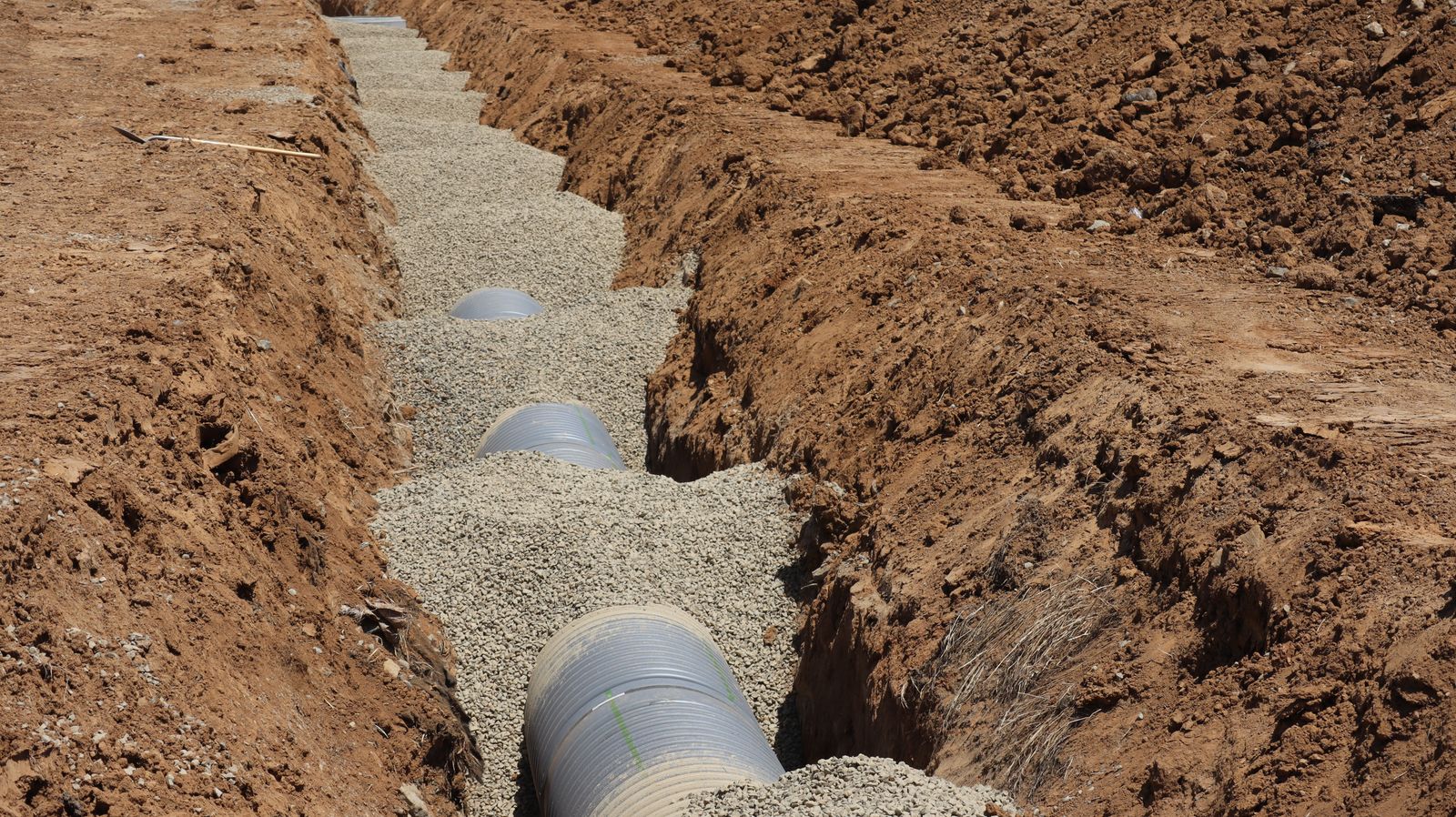
- Lining and pipe bursting, explained in plain words
- A camera look decides what fits your pipe
- Options explained before any work begins
What no dig sewer repair means for a sewer lateral
Your sewer lateral is the buried pipe that carries everything from the house out to the public main. When it fails, the old answer was to open a trench along its whole length. Trenchless methods work instead from small openings near each end of the pipe, so the lawn, the driveway and the mature trees stay mostly where they are.
That is what people mean by no dig sewer repair, although the name promises a little more than the work delivers. Most jobs still need a small pit or two, and some lines need an open trench for a short stretch.
There are two main trenchless methods, lining and pipe bursting. Both depend on what the pipe looks like inside, which is why a camera look comes before any recommendation. Sometimes the honest answer is that digging is the better choice for your line, and a good pro will say so. Searches for “pipe bursting sewer line” usually mean the same thing as lining or trenchless work: replacing a pipe with little digging.
Not sure whether your line is a candidate? A short call can tell you what to expect before anyone digs.
Book a camera inspectionSewer pipe lining vs pipe bursting for a sewer line
Lining, often called cured-in-place lining, pushes a resin-soaked liner into the old pipe and cures it until it forms a hard new pipe inside the old one. It suits a line that is still in position and open enough to take the liner. Because it follows the old pipe, it cannot straighten a pipe that has shifted or sagged.
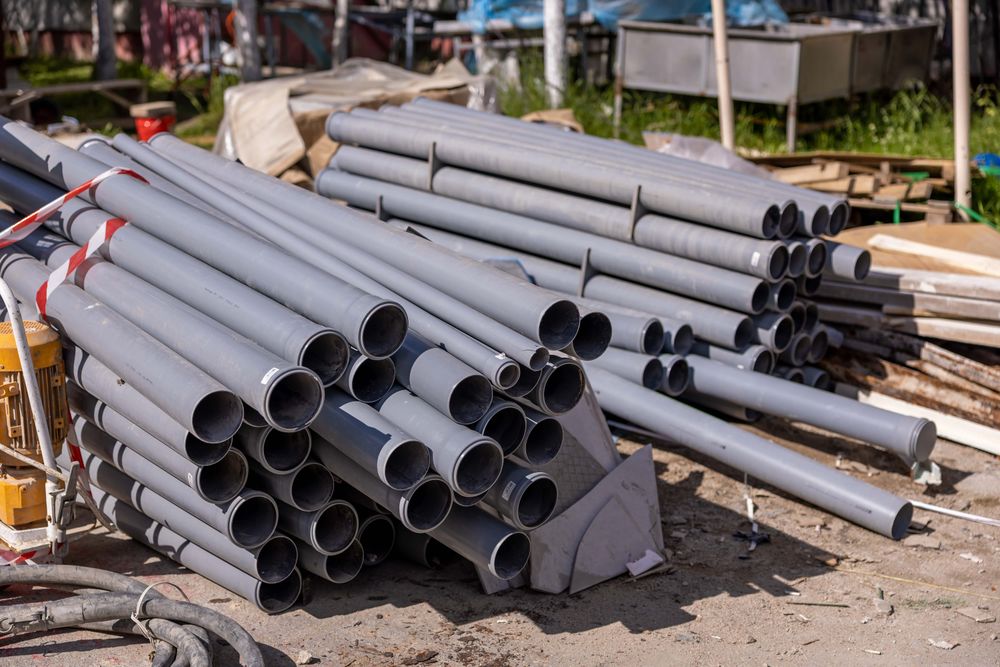
Pipe bursting works differently. A bursting head is pulled along the old pipe's path, breaking the old pipe outward into the soil while new pipe, commonly PVC or a similar plastic, follows behind it. It can replace a pipe that is cracked or partly collapsed, but it needs room for a pit at each end and a clear path between them.
Here is how the two compare with a traditional open trench:
| Method | What it does | Usually a fit when | May not fit when |
|---|---|---|---|
| Lining | Forms a new pipe inside the old one | The pipe is in line, open enough, and has root intrusion or leaking joints | The pipe has a sag, a collapsed section or a badly shifted joint |
| Pipe bursting | Pulls new pipe along the old path | The pipe is cracked or broken and the path is clear | Other lines or tight bends crowd the path |
| Open trench | Digs along the line and replaces the pipe | A section is collapsed or badly sagged, or the run is short and shallow | The line runs under a driveway, patio or mature tree you would rather not disturb |
When trenchless is a good fit, and when it is not
Trenchless tends to suit a lateral that is continuous, reasonably straight and reachable from both ends. Common candidates are lines with root intrusion at the joints, hairline cracks, leaking joints or older pipe that is still in position. If roots keep returning, our page on tree roots in sewer line trouble explains how cutting and repair fit together.
It tends to be a poor fit when the pipe has a sag that holds water, a section has collapsed, a joint has moved far out of line, or the pipe bends sharply. It can also be difficult when there is no workable access point, or when other buried lines cross close to the path. A line that keeps backing up for reasons nobody has found yet is a question for the camera first, and our sewer backup page covers what to do in the meantime.
None of this is a rule of thumb to apply to your own house. It is simply the list of things the pro will be looking for.
Access points: cleanouts and small pits
Every trenchless job needs a way in. Often that is the cleanout, a capped opening on the lateral, plus an access pit dug at the other end near the street side of the property. A house with no cleanout may need one added first, which usually makes the rest of the job easier.
The pits are much smaller than a full trench. Their size depends on the method, the depth of the pipe and the equipment, and the pro should show you where they would go before any ground is opened. Locating other buried lines before digging is part of any sound plan.
Trenchless sewer repair on Mount Prospect lots: driveways, trees and hardscape
Trenchless sewer repair in Mount Prospect often comes down to what sits on top of the pipe. On the older grid streets, a lateral can pass under a front walk, a driveway or a mature parkway tree, and those are exactly the things trenchless methods try to leave alone. If you live in the Lions Park neighbourhood, our page on sewer line repair in Lions Park describes the late-1940s and 1950s homes and mature trees there.
Near the golf course, the cottages and colonials of the Country Club neighbourhood have their own mix of older pipe and established landscaping, covered under sewer line repair in Country Club. Both names are also used for a park and a golf course, and these pages mean the residential neighbourhoods.
On the west side, the 1950s and 1960s ranches and split-levels sit on regular lots with more open yards, which can leave more room for a pit. Many of those homes have full basements, so where the lateral leaves the house matters when access is planned. Newer infill and townhomes mostly have PVC laterals, which changes the questions the camera is answering.
Heavy clay soil and large tree roots both put pressure on older pipe, which is one reason lines in this ground are often worth a camera look before any plan is made.
Wondering whether your driveway or a big tree changes the plan? Describe your yard on the phone.
Get straight answers on the phoneWhat the camera has to show before anyone recommends lining
Lining only makes sense on a pipe that can be seen end to end. Before anyone recommends it, the video should show the full run, the condition of every joint and where the pipe bends. It should also show whether any section holds water, since a sag will not be fixed by a liner.
The same video helps rule trenchless out. If the camera cannot pass a collapsed section, or the pipe turns sharply, the better plan may be bursting or an open trench. Our page on sewer camera inspection explains what the camera records and how to read it with the pro.
Ask to see the footage. A recommendation that matches what you watched on screen is easier to trust and easier to compare.
Trenchless sewer repair questions from Mount Prospect homeowners
No. It depends on the pipe's path, its condition and whether a camera can pass through it. A badly sagging or collapsed pipe, tight bends, a line with no workable access, or other buried lines crowding the path can point toward a different method, and an older home with no cleanout may need one added first. That is why the camera inspection comes first.
It can go either way, and no one should promise otherwise before looking at the line. Trenchless can save restoration work on lawns, driveways and landscaping, while open trench work can be simpler on a short, shallow line. The pro explains the options before work begins.
Usually a small pit near each end of the pipe, often by the house wall or cleanout and on the street side of the property. The size depends on the method, the pipe depth and the equipment. The pro should show you where they would go before anything is dug.
A liner seals the joints and cracks where roots usually enter, which can leave them fewer places to get in. It is not a promise that roots never return, because they can still push on the pipe and find other weak spots such as the connections at each end.
No. A liner follows the pipe it goes into, so a sag, sometimes called a belly, stays a sag. If the camera shows a low spot holding water, the pro may talk to you about replacing that section instead. The camera shows how deep and long the low spot is.
It depends on the length and depth of the line, how clear the path is, the method used and what the camera found. Ask for a realistic schedule when you call, and expect to get a firmer one after the inspection, not before.
That depends on the method and on any curing or testing steps. The pro will tell you when water can go back into the line, so ask before the work starts and plan around the answer. Never assume the line is ready for use until the pro says so.
Permit rules vary by place and by job, and they change, so this page does not state one as fact. Ask the pro when you call, and check current local requirements with your city or sewer provider. Settling that early avoids a surprise once the work is booked.
Trenchless sewer repair in Mount Prospect starts with a call
Calls answered 24/7 · Same-day dispatch where available. Prefer the big picture first? The home page covers sewer problems homeowners ask about, from the first warning signs to full replacement.