Sewer Line Repair in Country Club, Mount Prospect
Sewer line repair in Country Club, Mount Prospect is a conversation with someone who knows older homes. The neighbourhood beside the golf course is full of 1930s to 1950s cottages and colonials, and pipe that old deserves a camera look before anyone talks about a fix. Nothing is recommended until the camera has shown the pipe.
- Era
- 1930s to 1950s
- Layout
- Cottages and colonials beside the golf course
- ZIP
- 60056
Sewer line repair in Country Club, Mount Prospect: why older pipe needs a look
Fixing the sewer lines under Country Club homes is mostly a question of age. The cottages and colonials beside the golf course were built across three decades, from the 1930s into the 1950s, and the sewer lines under them are among the oldest in the village. After that many years, joints loosen, sections shift and roots find their way in. Nobody can tell from the surface how much of that has happened, and a house can look perfectly fine while its lateral is struggling. This page covers what that tends to look like in the Country Club neighbourhood, meaning the residential streets and not the golf course or any road that shares the name, and what a local pro checks first. If you typed “sewer camera inspection country club” into a search box, the answer starts the same way as “sewer line replacement country club”: see the pipe first, then decide.
Country Club homes: 1930s to 1950s cottages and colonials by the golf course
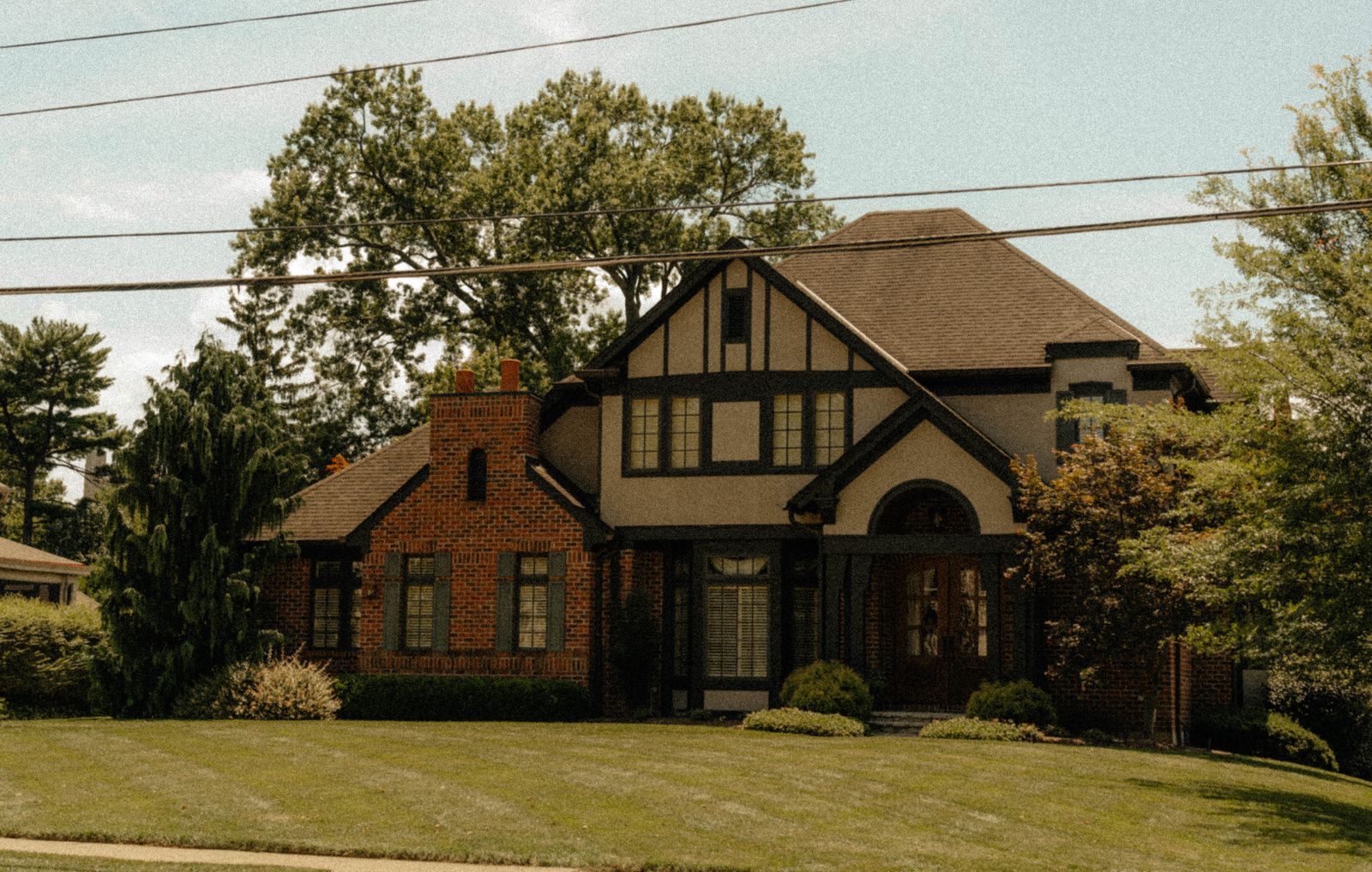
Country Club is a neighbourhood of older houses on the grid streets beside the golf course, part of the original core of Mount Prospect. Cottages and colonials dominate, built anywhere from the 1930s through the 1950s, so a single block can hold homes from different decades. The neighbourhood is in ZIP 60056.
Cottages tend to be compact, and colonials usually rise two storeys, but footprints and foundations vary from house to house. Because of that, the point where the sewer line leaves the building is not the same at every address, and a good pro asks rather than assumes.
Being older, this housing has had more time to collect repairs, additions and updates. A lateral can be partly original and partly replaced, with old pipe and newer pipe joined somewhere along its path, and those junctions are worth a close look on camera.
Many lots carry established trees and landscaping, with decades of root growth to match. The original pipe in the oldest of these houses is most often clay tile or cast iron, which is a tendency by era and not a rule about any particular address.
On a street where houses from different decades stand side by side, it also helps to remember that a lateral can be older or younger than the house above it. A remodel or a repair may have changed part of the line, so a neighbour's experience is a hint rather than an answer, and only the video settles it.
Sewer line replacement in Country Club: why older pipe fails in different ways
With the oldest pipe in the village, the leading problem is simple wear. Clay sections crack or slide apart, cast iron scales over inside and can corrode through, and the joints between sections give up their seal. Each of those problems lets roots, soil or both into the line.
Repairs over the decades add a second set of problems. A patch that was sound when it went in can sit awkwardly against pipe of a different material, and the junction can become a place where debris catches or a joint slowly opens.
Bends are the third. Older cottages were often added onto, and the lateral may have been rerouted around a new foundation, leaving angles that are hard on both the pipe and any cable or camera sent through it.
When damage is spread along a line, or when a line keeps failing after a succession of small repairs, replacement becomes a serious conversation. For a line with one bad stretch, a repair of that stretch may be enough. The video decides which of those you are facing.
Living in a house from the 1930s, 40s or 50s and not sure what is under the yard? Ask what a camera look involves.
Book a camera inspectionSewer camera inspection in Country Club: a look at the oldest pipe first
The first thing a pro wants to know about a Country Club house is its history: roughly when it was built, whether it has had additions, and whether anyone has ever dug up or replaced part of the sewer line. Those answers tell the pro which parts of the video to watch most closely.
Next comes finding a way in. Many older homes have no cleanout, so the pro may enter through a basement fitting, a roof vent or a pulled toilet, and may suggest adding a proper cleanout during any repair.
Once the camera is in the pipe, the pro looks at the pipe nearest the house first, then follows each bend and joint outward, paying special attention to any point where one material meets another. The path and depth are marked on the surface, and the video is replayed with you afterward so you can see each finding for yourself.
What a call looks like for an older Country Club home
You call and describe it
A person answers at any hour. Say what you are seeing, and where in the house.
A handful of questions
The age of the house, any past sewer work, and your street so coverage can be confirmed.
A local pro is sent
Same day where available, with the expectation that an older cottage or colonial may have an older pipe.
Camera before any fix
The camera goes in before anyone suggests a repair, you see the findings, and you decide what happens next.
While you wait, if a drain is backing up, stop using water and keep people and pets clear of any sewage.
What Country Club homeowners ask about older sewer lines
It covers the residential neighbourhood. The name is shared with the golf course and with a road, but the sewer lines in question are the ones serving homes in the area. If you are calling about a home, you are in the right place.
They can need more care, because older pipe, past repairs and added-on rooms mean more to look at. That is why the camera goes in first and the plan follows what it shows. Plans for older homes are usually shaped by the video rather than by the date on the deed.
Those were common materials when the houses were built. It is a tendency, not a promise about your address, and some homes have had sections replaced since. Only the camera shows what your own line is made of, and whether any section has been swapped for plastic.
Often it can, though sharp bends and offsets can slow it or stop it. If it stops, the point where it stops is itself a finding, and the pro can explain what lies beyond. Mention any known bends or past repairs when you call.
They follow moisture to leaking joints and cracks and slip in through the gaps. A tree on the next lot can reach a pipe as easily as one on yours. Older trees tend to have larger root systems, so the root mass found can be heavy.
Not always. Many older houses were built without one, and the pro may use another opening for the camera and suggest adding a cleanout during any repair. Tell the pro if you have seen a capped pipe in the yard or a plate in the floor.
It depends on the method and where the pipe runs. Trenchless approaches use small pits, while open trench work digs along the line, and the pro should show you the plan and what it would affect before work begins. Ask about restoring lawns and walks.
Mention roughly when it was built, any additions, any past sewer work and any trouble you have noticed. Even a vague history helps the pro decide where to look first. Photos of any past work or receipts, if you have them, can fill gaps.
Sewer line repair in Country Club, Mount Prospect, begins with one conversation
Calls answered 24/7 · Same-day dispatch where available. The home page lays out sewer line issues homeowners compare across the whole village, from signs to replacement.