Tree Roots in the Sewer Line: Help in Mount Prospect, IL
Tree roots in a sewer line are one of the most common reasons a Mount Prospect lateral keeps clogging. Roots find tiny gaps at joints and cracks, grow inside, and catch everything that flows past. One call connects you with a local pro who can clear the line and show you on camera whether the pipe itself needs repair.
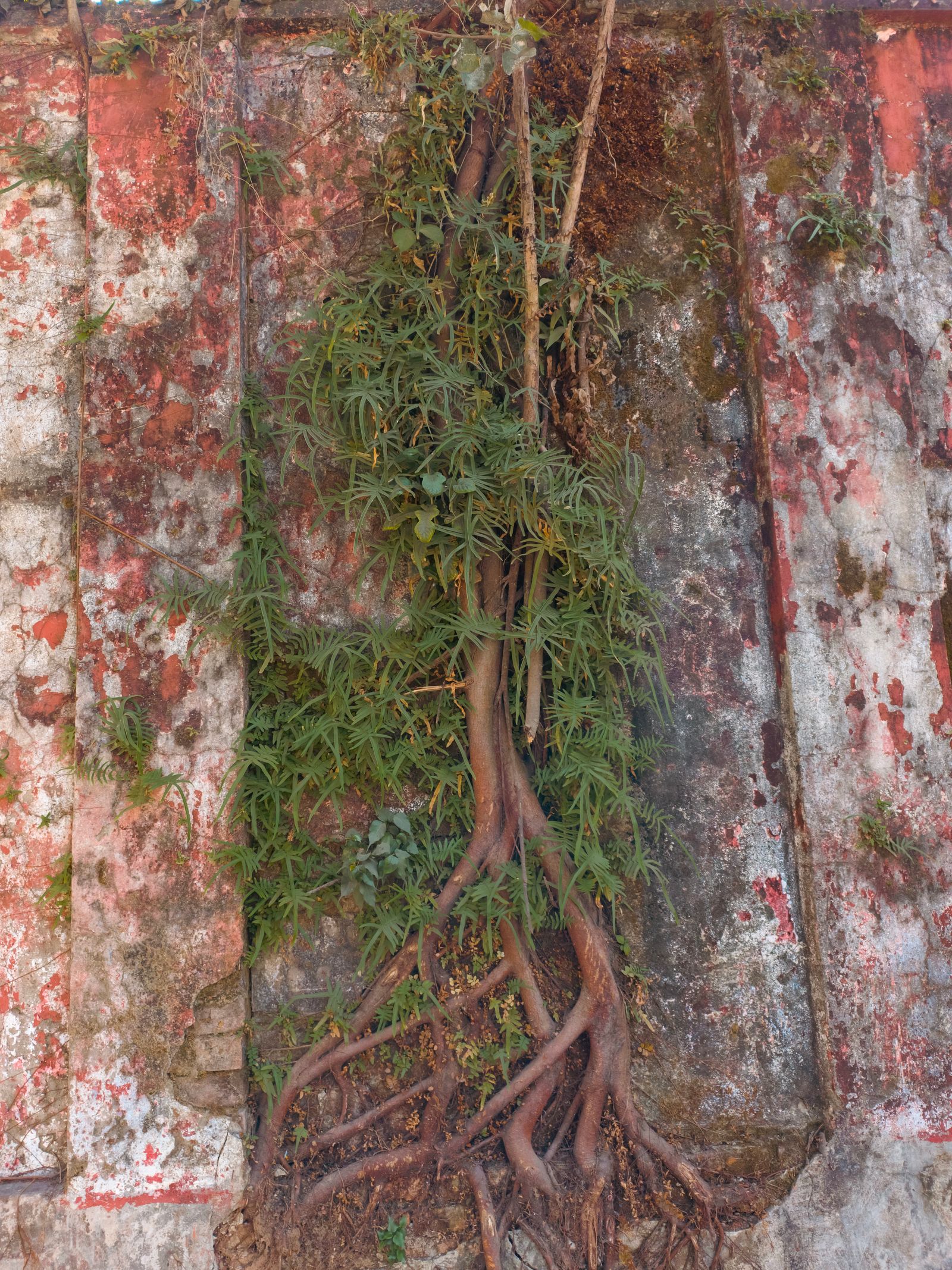
- Roots located and cleared from the line
- A camera shows whether the pipe is damaged
- Repair options explained before any work begins
How root intrusion gets into a sewer pipe: joints, cracks and moisture
Roots do not break into a sewer line looking for sewage. They grow toward moisture and air, and a joint that leaks even slightly gives them both. A hair-thin root slips through the gap, then spreads inside the pipe, where it is warm, wet and full of nutrients.
Over time the root thickens into a mass that catches paper and debris, and the line clogs. That is the pattern behind many repeat clogs, and it is called root intrusion in a sewer pipe.
Older clay tile pipe has many joints, and each one is a possible entry point. Cast iron can crack or corrode, and even plastic pipe can be entered at a poorly seated connection. Where the roots went in tells the pro a good deal about which repair will actually hold. Terms like “root intrusion sewer pipe”, “roots in sewer lateral” and “cutting roots out of sewer line” all describe the same problem and the same first step, a camera look.
Signs roots are the problem
Roots rarely announce themselves directly. They show up as a pattern, and these are the usual ones:
- A drain that slows down, clears and slows down again over months
- Gurgling from a toilet or a floor drain when water runs elsewhere
- A main-line clog that returns after every cleaning
- Roots or fine root hair on the cable when the line is cleared
- A damp, sunken or unusually green patch of lawn over the pipe path
Any of these can have other causes, so treat the list as a reason to look rather than a diagnosis. If a backup has already happened, start with our sewer backup page for the first steps, then come back to the cause.
If the same clog keeps coming back, the roots are worth a conversation before the next one.
Get Mount Prospect help todayCutting roots out of the sewer line: what it does and does not do
Cutting is the usual first move. A cutting head on a cable, or a high-pressure water jet sometimes called hydro-jetting, clears the roots out of the pipe and restores flow. For a line that is otherwise sound, that can be all the work needed for a while.
What cutting does not do is repair the pipe. The gap that let the roots in is still there, and so is the tree outside it. Roots can return, and how soon depends on the tree, the soil and the size of the opening.
That is why a camera look after cutting is worth asking for. It shows how the roots entered and how much damage they left behind, and it turns the next decision into a choice between watching the line, repairing a section or replacing it.
When roots in a sewer lateral mean the pipe itself needs repair
Roots in a sewer lateral are a symptom of a gap, and some gaps are worth closing. A cracked joint, an offset or a broken section will keep inviting roots no matter how often they are cut. When the camera shows that kind of damage, or when the line clogs again and again, repair becomes the better question.
The options run from a spot repair of the damaged section, to lining the pipe from the inside, to replacing the line. Which one fits depends on the pipe material, its condition and the path it takes. Our page on clay sewer pipe replacement covers what that choice looks like for older clay and Orangeburg lines.
A cleanout also helps, because it gives the pro a direct way in for cutting and for camera checks. If your house has none, see sewer cleanout installation.
Tree roots in the sewer line on Mount Prospect lots
Tree roots in the sewer line are a particular risk in Mount Prospect because of the ground and the trees. Heavy clay soil holds moisture, and mature parkway trees have had decades to spread. Together with the clay tile and cast iron laterals still found in many houses built before 1970, that makes roots a common finding.
Brickman Manor, on the north and east side, is a tree-lined subdivision from the mid to late 1960s, where mature trees now stand close to the lateral on many lots. The page on sewer line repair in Brickman Manor goes through what the pros see there.
Colonial Heights, on the west side, has 1960s split-levels and ranches on regular lots. Trees in the front yard often sit along the lateral's path, so a root problem can show up in a basement drain first. See sewer line repair in Colonial Heights for more.
A tree on a neighbour's lot can matter as much as one on yours, because roots travel well beyond the canopy. The camera shows where they enter, whoever the tree belongs to.
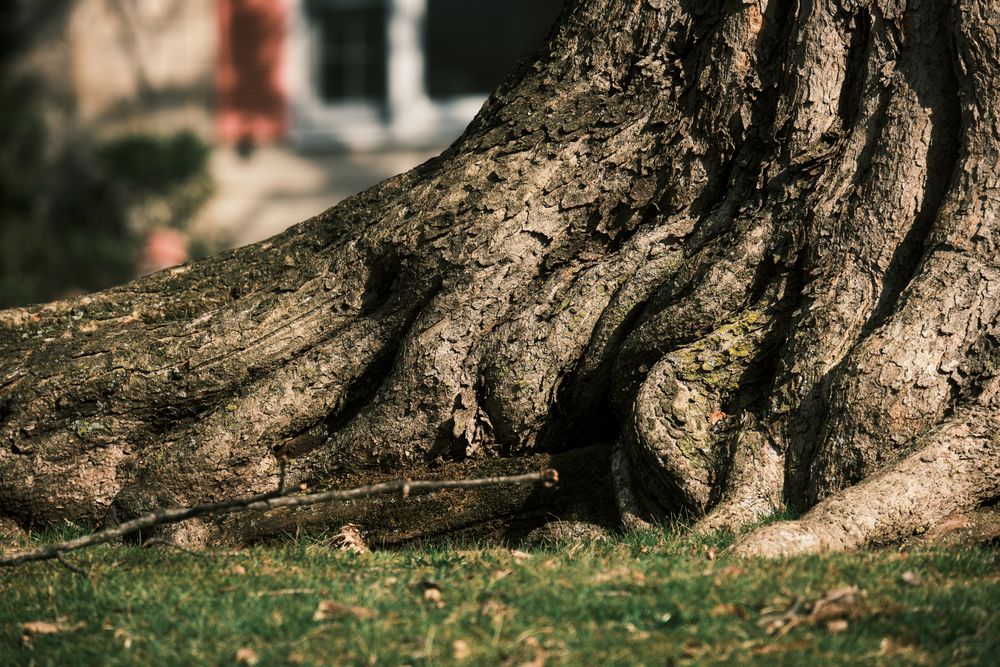
Seeing roots on the cable or a lawn patch that follows the pipe? Have a pro look inside.
Book a camera inspectionKeeping roots out after the repair
With tree roots in the sewer line, Mount Prospect homeowners often ask how to keep them out for good. No one can promise roots will never return, and anyone who does is overselling. What you can do is reduce the openings. A replaced section has new, tight joints, and a lined pipe has its joints and cracks sealed from the inside.
Roots can still push at the ends and the connections, so ask the pro how those would be handled in your line. On a house with big trees nearby, a periodic camera check can catch regrowth early, long before a backup. Decisions about the tree itself are yours to make, and they are easier once the camera has shown you where the roots actually enter.
Tree roots in sewer line questions answered
Cutting clears the roots inside the pipe but leaves the tree and its root system outside it. If a joint or crack is still open, new roots can find it again. How soon that happens varies with the tree, the soil and the pipe.
Roots mostly enter through gaps that already exist, and as they thicken they can widen cracks and push joints out of line. A pipe already weakened by age or ground movement is more likely to be damaged. The camera shows which situation you have.
Not as a first step. Removing a tree is a big decision with consequences of its own, and old roots can stay in the pipe for a while afterward. Get the camera findings first, then decide with the pipe's condition in front of you.
Usually not. It clears the line for now, and whether it stays clear depends on whether the openings that let the roots in are repaired. That is why the pro often recommends a camera check after cutting. Without a repair at those openings, roots can grow back.
Some are sold for this, but results are mixed and they do not repair the pipe. A chemical product poured into a line that is already slow can also sit where the pro will need to work. Ask the pro before pouring anything.
Fast-growing, thirsty trees with wide root systems planted close to the line are the usual suspects, and mature parkway trees on older lots are common culprits. A tree's name matters less than its distance from the pipe and the condition of the joints.
Slow drains that keep returning, gurgling and repeated backups point that way, and roots on a cable are a strong clue. Only a camera shows it for certain, along with where the roots enter. Ask for a camera look even after roots are cleared, so you know where they entered.
A liner seals the joints and cracks where roots usually enter, which can leave them fewer ways in. It does not guarantee that roots stay out, so ask the pro how the ends and connections of your line would be handled.
Tree roots in the sewer line? Mount Prospect help is one call away
Calls answered 24/7 · Same-day dispatch where available. For the full overview, the home page walks through sewer line work homes may need, from symptoms to replacement.