Sewer Camera Inspection in Mount Prospect, IL
Drains slow, or a backup you cannot explain? A sewer camera inspection in Mount Prospect sends a small waterproof camera down your sewer line so a pro can see what is wrong instead of guessing. Roots, cracks, shifted joints and sags show up on video, before anyone plans a repair. One call connects you with a local pro who can set it up.
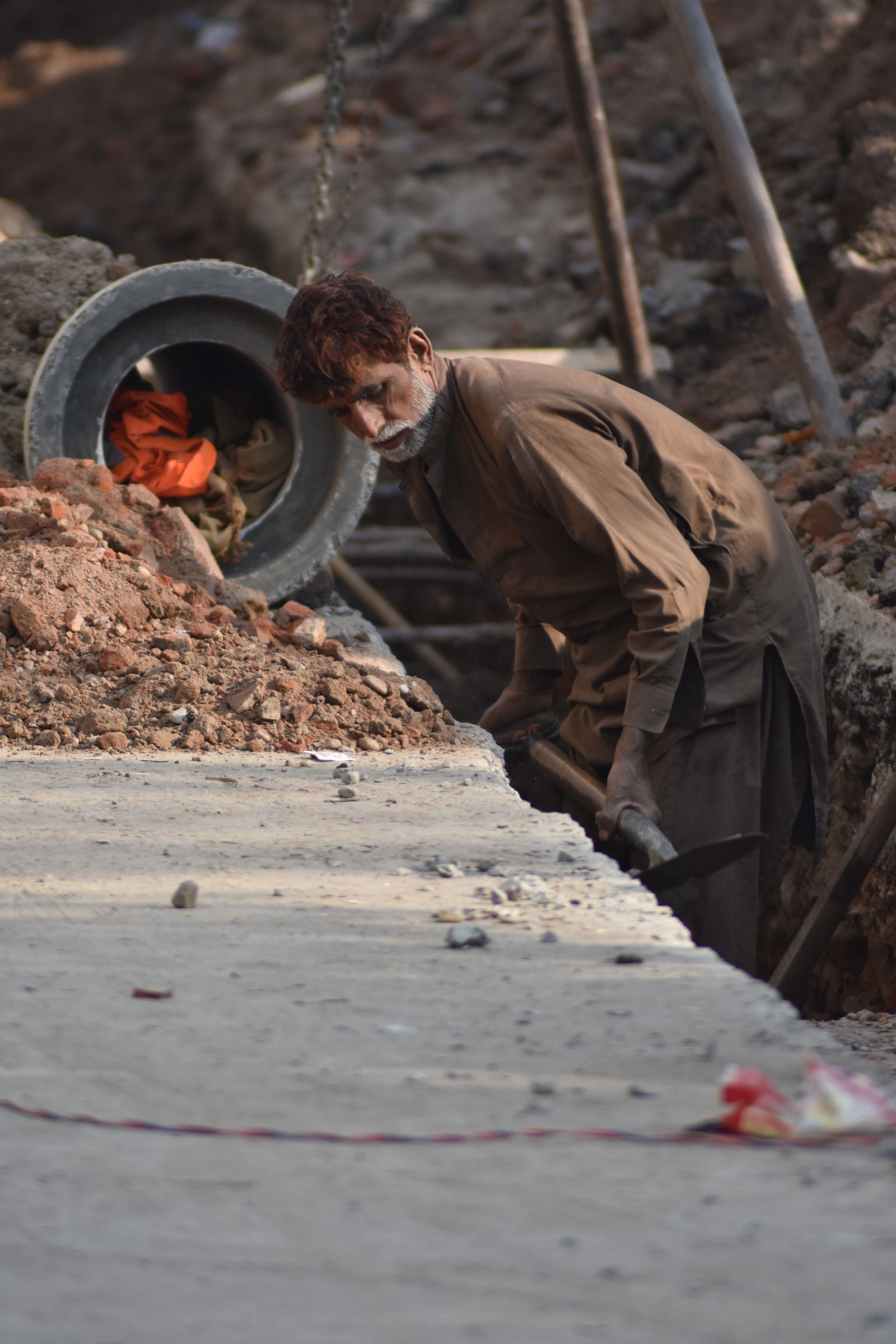
- See the pipe on video, not on a hunch
- Roots, cracks, offsets and sags identified
- Findings explained before any repair is planned
Why every honest sewer line video inspection starts with a camera
A sewer line is buried, so every theory about it is a guess until someone looks. A cable can clear a clog and a jet can scour the walls, but neither one tells you why the pipe clogged. The camera answers that part.
It can show a mass of roots at a joint, a crack running along the pipe, a joint that has shifted, a low spot where water sits, or a section that has broken. A plan made without that video rests on guesswork, and guesswork is how homeowners end up with the wrong repair.
That is why the first step on a sewer job here is to look. Everything else, from clearing to lining to replacement, follows from what the video shows. A “camera inspection of sewer lateral” is what most of these searches are really asking for: a look at the pipe between the house and the main.
If your line keeps clogging or backing up, the video is how you stop guessing.
Call to see inside your pipeCamera inspection of a sewer lateral: what the camera shows
On a sewer lateral, a camera inspection records the condition of the pipe from the access point toward the public main. These are the findings the pro looks for:
- Roots: fine threads or thick masses entering at joints or cracks
- Cracks: hairline or lengthwise splits in clay, cast iron or plastic pipe
- Offset joints: sections that have slid out of line and left a lip that catches debris
- Sags, also called bellies: low spots where water sits instead of flowing on
- Broken or collapsed sections: missing pipe wall, or a pipe that has lost its shape
- Buildup: grease, scale or debris narrowing the pipe
A clean, sound line is a result too. Knowing the pipe is in good shape lets you stop worrying about it. On an older house, video of clay tile that is cracked or shifted is often where the conversation about clay sewer pipe replacement begins.
Where the camera goes in
The camera needs an opening into the line. The most common one is the cleanout, a capped access point on the lateral, often outside near the house or down in the basement. If the house has no cleanout, a pro can sometimes use a roof vent or pull a toilet, though both are less convenient and may give a shorter view.
From the opening, the camera is pushed along the pipe on a flexible cable while a screen shows the picture and a recorder keeps it. The route is different in every house, so the pro decides where to enter after hearing what you have seen.
Locating the line and its depth from the surface
The camera head carries a small transmitter. A locator held above ground picks up its signal, so the pro can mark the path of the line on your lawn or driveway and read its depth at points along the way.
That matters when work is coming. A marked path shows where a repair would go, what a landscaping plan has to avoid, and whether another buried line crosses close by. Treat any depth reading as a planning guide, since conditions can change along the length of the pipe.
Planning a remodel, a new patio or a big landscaping job over the line? Ask for the path to be marked.
Speak with a local sewer techReading the video together: what is urgent and what can wait
A good inspection ends with a conversation, not a verdict. The pro replays the footage and sorts what they saw into groups: findings that need attention soon, findings worth watching, and minor ones that need nothing yet.
A collapsed section or a badly shifted joint, especially on a line that keeps backing up, usually belongs in the first group. Hairline cracks and light roots at a joint may sit in the second. You decide what to do with that information, and the work is explained before it begins.
If the pro cannot show you a finding on screen, ask them to. Seeing it yourself is the point of the exercise.
Sewer camera inspection in Mount Prospect homes: what the pros expect to see
A sewer camera inspection in Mount Prospect is shaped by when the house was built. Most homes here date from after World War II, and many from before 1970 still have clay tile or cast iron laterals, so pros expect joints, cracks and roots in those lines. Newer infill and townhomes mostly have PVC, where the questions are usually about connections and settling.
On the west side, Hatlen Heights has 1950s homes near Melas Park, many with full basements, and the video often starts at a basement cleanout. The page on sewer line repair in Hatlen Heights goes through what typically turns up there.
Fairview Gardens on the east side dates to the late 1950s, and some of its homes sit on crawl spaces, which can change where the camera can enter. You can read more under sewer line repair in Fairview Gardens.
Heavy clay soil and mature trees mean roots are a frequent finding. If the video shows them, our page on tree roots in sewer line trouble explains what comes next.
When an inspection is worth booking even without a backup
You do not have to wait for sewage on the floor. A camera look makes sense when drains slow down again and again, when a clog keeps returning, or when roots come out every time the line is cleaned. It also makes sense before a big landscaping job, a remodel or a basement bathroom.
It is worth considering for any older house whose line has never been looked at, and for a house you are about to buy. If a backup has already happened, start with our sewer backup page, since the first steps there come before the camera.
Sewer line video inspection: questions homeowners ask
It depends on the length of the line, how easy it is to get the camera in and whether anything blocks the way. The pro can tell you what to expect when you call, and again once they see the access point.
A cleanout makes it easier, but it is not the only way in. A roof vent or a pulled toilet can sometimes give access, though they are less convenient. If your house has no cleanout, the pro may suggest adding one.
Ask before the inspection starts. Many pros keep the recording and can share it, and a copy is useful if you are planning repairs, comparing options or buying or selling a house. If you want it, ask for the file in a format you can open on your phone or computer.
Yes. Roots show up clearly on the video, usually as fine threads or a thicker mass at a joint or crack. The camera also shows whether the pipe itself is damaged, which decides whether cutting the roots is enough. Roots are often found at more than one joint.
The camera head carries a transmitter, and a locator above ground picks it up and reads the depth. The pro can mark the path on your lawn or driveway. Treat the reading as a guide for planning, since conditions can vary along the line.
The pro may clear the blockage first and then run the camera again. If something solid or a collapsed section stops it, the point where it stops is itself a finding, and you can talk through the next step. Ask the pro to explain what the camera reached.
No. Cleaning clears what is in the pipe, while an inspection shows the condition of the pipe. They are often done together, because a line usually has to be clear enough for the camera to travel. Ask which of the two you are booking so the visit matches what you need.
No single schedule fits every house. A line that has never been checked, that backs up, or that sits under big trees is a reasonable one to look at, and so is any house you are about to buy. Ask the pro what interval makes sense for what the camera shows.
Sewer camera inspection in Mount Prospect starts with one call
Calls answered 24/7 · Same-day dispatch where available. Want to see how it all fits together? The home page explains sewer line issues homeowners call about, step by step.